

The Sunshine Vitamin You’re Probably Not Getting Enough Of
Vitamin D is often called the ‘sunshine vitamin’ because your body produces it when skin is exposed to sunlight. It plays a vital role in bone health, immune regulation, and more — yet deficiency remains remarkably common, especially among people who spend most of their day indoors.
Why Deficiency Is So Widespread
- Limited sun exposure from indoor-heavy lifestyles and desk jobs
- Regular sunscreen use, which blocks vitamin D synthesis
- Darker skin tones, which require more sun exposure to produce the same amount of vitamin D
- Diets low in vitamin D-rich foods like fatty fish and fortified dairy
- Obesity, which affects how the body stores and uses vitamin D
- Age — the skin’s ability to produce vitamin D declines over time
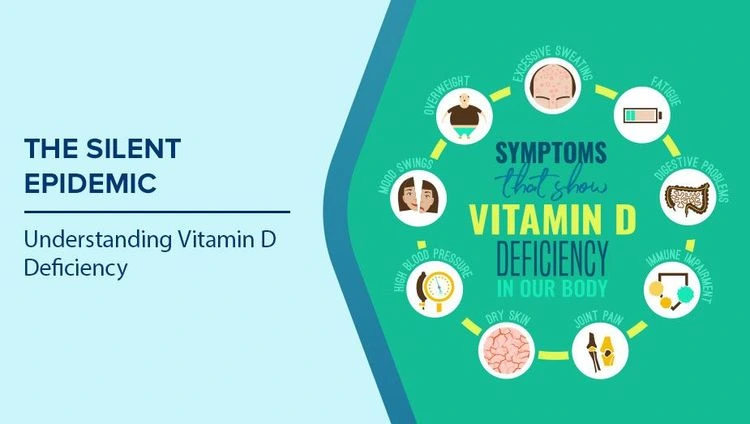
Common Symptoms of Vitamin D Deficiency
- Persistent fatigue, even with adequate sleep
- Bone pain or general achiness
- Muscle weakness
- Mood changes, including low mood
- Frequent infections or slower recovery from illness
- Hair thinning
- Slower wound healing
Why Deficiency Often Goes Unnoticed
Many of these symptoms are vague and easily attributed to stress, poor sleep, or simply being busy — which is exactly why vitamin D deficiency is under-diagnosed. A simple blood test (25-hydroxyvitamin D) is the only reliable way to confirm it.
Health Risks of Untreated Deficiency
- Increased risk of osteoporosis and fractures
- Higher susceptibility to infections due to weakened immune regulation
- Potential links to mood disorders and worsened depression symptoms
- In children, risk of rickets, affecting bone development
- Possible association with increased cardiovascular and metabolic risk over time
How to Fix a Vitamin D Deficiency
Sensible Sun Exposure: 10–15 minutes of midday sun exposure a few times a week helps most people, though this varies by skin tone and location.
Diet: Fatty fish, egg yolks, fortified milk, and mushrooms exposed to UV light all contribute meaningfully to vitamin D intake.
Supplementation: For confirmed deficiency, doctor-guided supplementation (often high-dose initially, then a maintenance dose) is the most reliable fix — self-dosing without testing isn’t recommended, since excess vitamin D can also cause harm.
Frequently Asked Questions
The only reliable way is a blood test measuring 25-hydroxyvitamin D — symptoms alone aren’t diagnostic since they overlap with many other conditions.
It’s difficult — very few foods naturally contain significant vitamin D, which is why sun exposure and, when needed, supplementation matter.
Yes — excessive supplementation can cause toxicity, including nausea and, in severe cases, high calcium levels that can damage the kidneys. Testing before and during supplementation matters.
Book a Vitamin D Test with Biocity Healthcare
Find out exactly where you stand with a simple blood test — free home sample collection.