

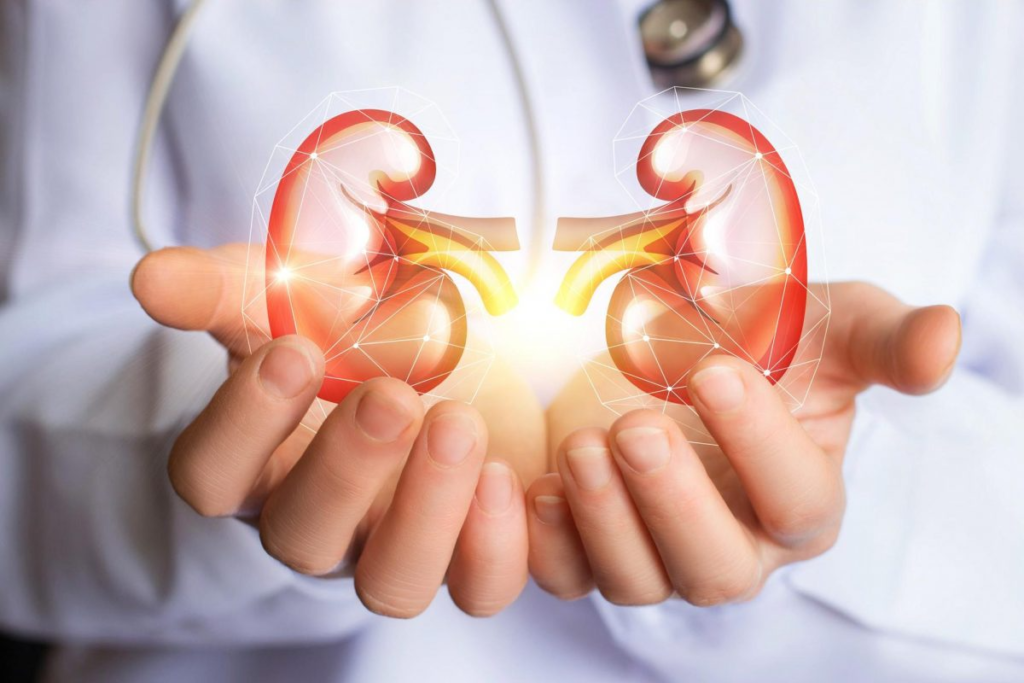
What Your Kidneys Do — and Why Women Should Pay Attention
Kidneys do more than filter waste. They regulate the balance of chemicals like sodium, potassium, and calcium in your blood, help control blood pressure, stimulate red blood cell production, maintain your body’s acid-base balance, and even produce calcitriol — a form of vitamin D that helps your body absorb calcium. When kidney function declines, all of these systems are affected, and women face some risk factors that are distinct from men’s.
Recognizing Kidney Disease Symptoms in Women
Kidney disease often develops gradually, and its symptoms can be easy to dismiss as something else. Watch for:
- Changes in urination — increased frequency (especially at night), difficulty urinating, or foamy urine
- Swelling in hands, feet, ankles, or face
- Persistent fatigue or weakness despite adequate rest
- Shortness of breath, especially during activity
- High blood pressure that’s hard to control
- Nausea, vomiting, or loss of appetite
- Persistent itching, dryness, or skin rash, often worse at night
- Metallic taste or unusual food aversions
- Muscle cramps, especially in the legs
- Difficulty concentrating or memory issues (in advanced disease)
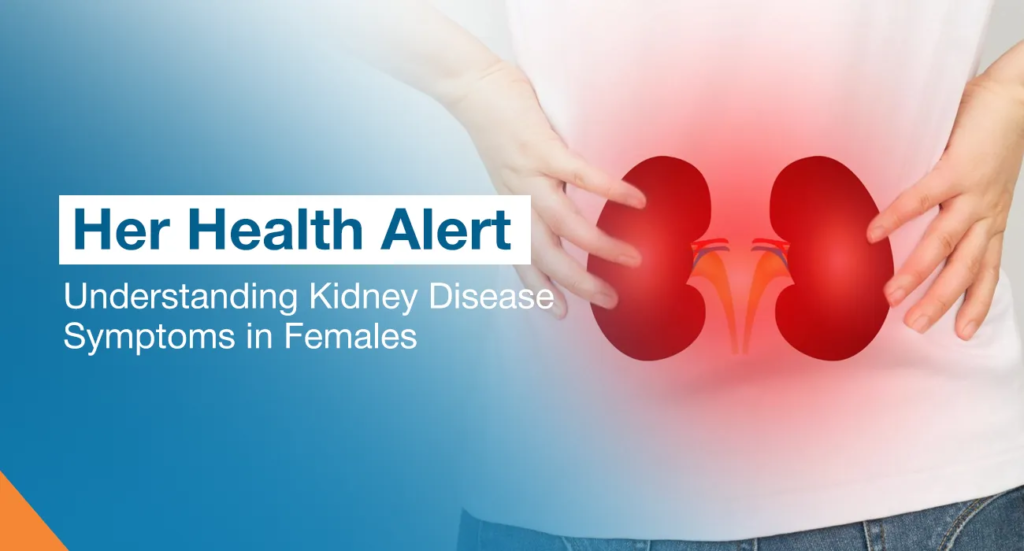
Risk Factors Specific to Women
- Diabetes — prolonged high blood sugar damages kidney tissue over time
- Hypertension — damages the blood vessels within the kidneys
- Autoimmune conditions like lupus and rheumatoid arthritis, more common in women
- Pregnancy complications such as preeclampsia and gestational diabetes
- Aging, particularly after menopause
- Obesity, smoking, and a family history of kidney disease or related conditions
Preventive Steps That Actually Help
- Maintain a balanced, low-sodium diet and stay physically active
- Manage existing conditions like diabetes and hypertension consistently
- Stay well hydrated, especially in hot weather or after exercise
- Avoid smoking and limit alcohol
- Get regular kidney checkups — including KFT, blood pressure, and urine tests
- Take medications as prescribed and avoid unnecessary over-the-counter painkillers
Frequently Asked Questions
Are women more likely to get kidney disease than men?
Overall rates are similar, but women face distinct risk factors — autoimmune diseases and pregnancy-related complications — that make targeted awareness important.
Can kidney disease during pregnancy affect the baby?
Yes. Conditions like preeclampsia and gestational diabetes can affect both maternal and fetal kidney health, which is why prenatal kidney monitoring matters.
What’s the earliest sign of kidney trouble I should watch for?
Changes in urination patterns and persistent swelling are often among the earliest noticeable signs, though a KFT can catch problems even before symptoms appear.
Book a Kidney Function Test with Biocity Healthcare
Take a proactive step toward your kidney health with a home-collected KFT panel — accurate, accredited, and convenient.
Book Now
Read More: What a Kidney Function Test Actually Measures