
Iron Deficiency in Women: Early Symptoms, Treatment & Iron-Rich Foods
Iron is a vital mineral that helps your body produce hemoglobin, a protein in red blood cells that carries oxygen to every part of the body. Without enough iron, your body cannot make healthy red blood cells, which can lead to tiredness, weakness, and other health problems.
Today, iron deficiency in women treatment is one of the most searched health topics because iron deficiency is very common among women of all ages. Heavy menstrual bleeding, pregnancy, poor dietary intake, and certain medical conditions can all contribute to low iron levels.
The good news is that early diagnosis and the right iron deficiency in women treatment can help restore healthy iron levels and prevent long-term complications. In this guide, you will learn about the symptoms, causes, treatment options, and the best foods to improve your iron levels naturally.
Importance of Iron for Women
- Produce healthy red blood cells.
- Transport oxygen throughout the body.
- Support brain function.
- Maintain energy levels.
- Strengthen the immune system.
- Support healthy pregnancy.
Women generally need more iron than men because they lose blood during menstruation. During pregnancy, the body’s iron requirement also increases to support the growing baby.
If iron levels become too low, it may result in iron deficiency anemia in women, which can affect daily life and overall health.
Why is Iron Deficiency Common in Women?
- Heavy menstrual periods.
- Pregnancy and breastfeeding.
- Low intake of iron-rich foods.
- Poor iron absorption.
- Digestive disorders.
- Frequent blood donation.
- Certain medications.
Women following vegetarian or vegan diets should also pay close attention to their iron intake because plant-based iron is not absorbed as efficiently as iron from animal foods.
Understanding the cause of iron deficiency helps healthcare providers recommend the most appropriate iron deficiency in women treatment.
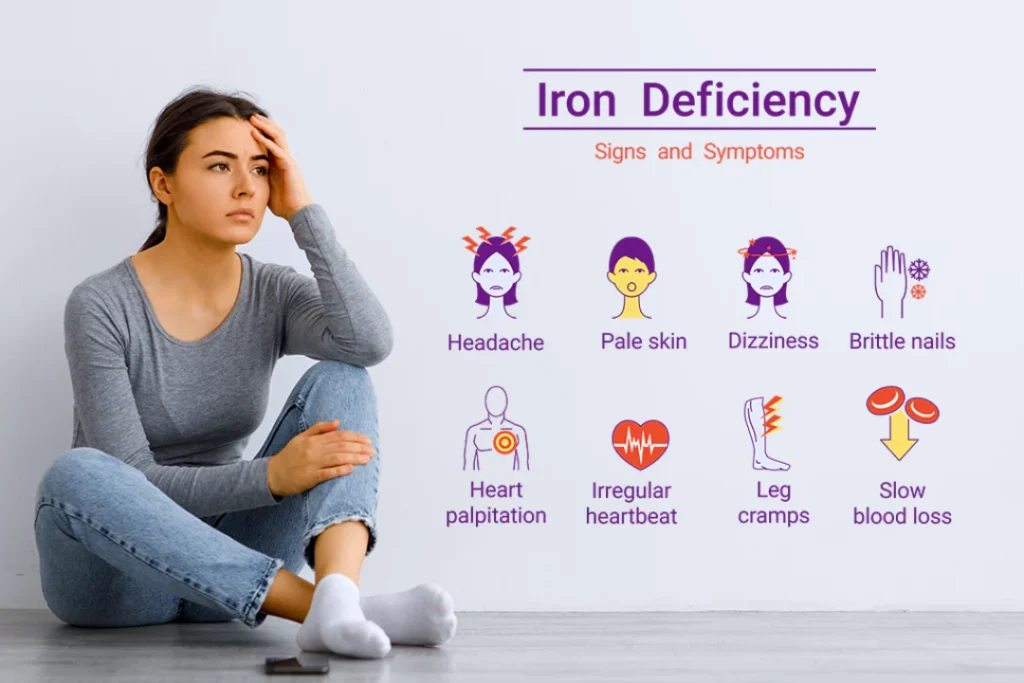
Symptoms of Iron Deficiency in Women
Common low iron symptoms in women include:
- Constant fatigue.
- Weakness.
- Pale skin.
- Shortness of breath.
- Frequent headaches.
- Dizziness.
- Cold hands and feet.
- Brittle nails.
- Hair thinning.
- Poor concentration.
- Rapid heartbeat.
Many women mistake these symptoms for stress or a busy lifestyle. If they continue for several weeks, it is important to speak with a healthcare provider.
Can Iron Deficiency Cause Fatigue?
- Tired throughout the day.
- Weak after simple activities.
- Less productive.
- Sleepy even after a full night’s rest.
If fatigue does not improve with proper rest, it may be worth checking your iron levels.
Iron Deficiency During Periods
Iron deficiency during periods is one of the leading causes of low iron in women. Women with heavy menstrual bleeding lose more blood each month. Over time, this can reduce iron stores and increase the risk of anemia. Signs that heavy periods may be affecting your iron levels include:
- Feeling exhausted during or after your period.
- Needing to change sanitary products very frequently.
- Feeling dizzy during menstruation.
- Reduced exercise tolerance.
If you experience heavy menstrual bleeding regularly, discuss it with your healthcare provider. Treating the underlying cause is an important part of iron deficiency in women treatment.
Iron Deficiency Anemia in Women
When iron deficiency becomes severe, it can develop into iron deficiency anemia in women. This condition occurs when your body does not have enough healthy red blood cells to carry oxygen efficiently.
Symptoms may include:
- Extreme fatigue.
- Chest discomfort.
- Fast heartbeat.
- Shortness of breath.
- Pale skin.
- Dizziness.
- Difficulty concentrating.
Without treatment, iron deficiency anemia can affect your daily activities, work performance, and overall quality of life.
Causes of Iron Deficiency
Several factors can contribute to low iron levels. Some of the most common causes include:
- Heavy menstrual bleeding.
- Pregnancy.
- Poor dietary intake.
- Blood loss from digestive conditions.
- Stomach or intestinal disorders affecting iron absorption.
- Frequent blood donation.
- Certain medications.
Finding the underlying cause is just as important as treating the deficiency itself. A healthcare provider may recommend blood tests to determine your iron levels and identify the most suitable treatment plan.
Causes of Iron Deficiency
Several factors can contribute to low iron levels. Some of the most common causes include:
- Heavy menstrual bleeding.
- Pregnancy.
- Poor dietary intake.
- Blood loss from digestive conditions.
- Stomach or intestinal disorders affecting iron absorption.
- Frequent blood donation.
- Certain medications.
Finding the underlying cause is just as important as treating the deficiency itself. A healthcare provider may recommend blood tests to determine your iron levels and identify the most suitable treatment plan.
When Should You Get Tested?
Many women ignore the early symptoms until they become more severe. You should consider speaking with a healthcare provider if you experience:
- Persistent fatigue.
- Frequent dizziness.
- Pale skin.
- Heavy menstrual bleeding.
- Shortness of breath.
- Hair thinning.
- Ongoing weakness.
A simple blood test, including a Complete Blood Count (CBC) and serum ferritin test, can help determine whether your symptoms are related to iron deficiency and guide the right iron deficiency treatment.
Iron Deficiency Treatment
The right iron deficiency treatment depends on the cause of the deficiency and how low your iron levels are. After reviewing your symptoms and blood test results, your healthcare provider may recommend one or more of the following:
- Iron-rich foods.
- Oral iron supplements.
- Treatment for heavy menstrual bleeding.
- Managing conditions that reduce iron absorption.
- Iron infusions in severe cases.
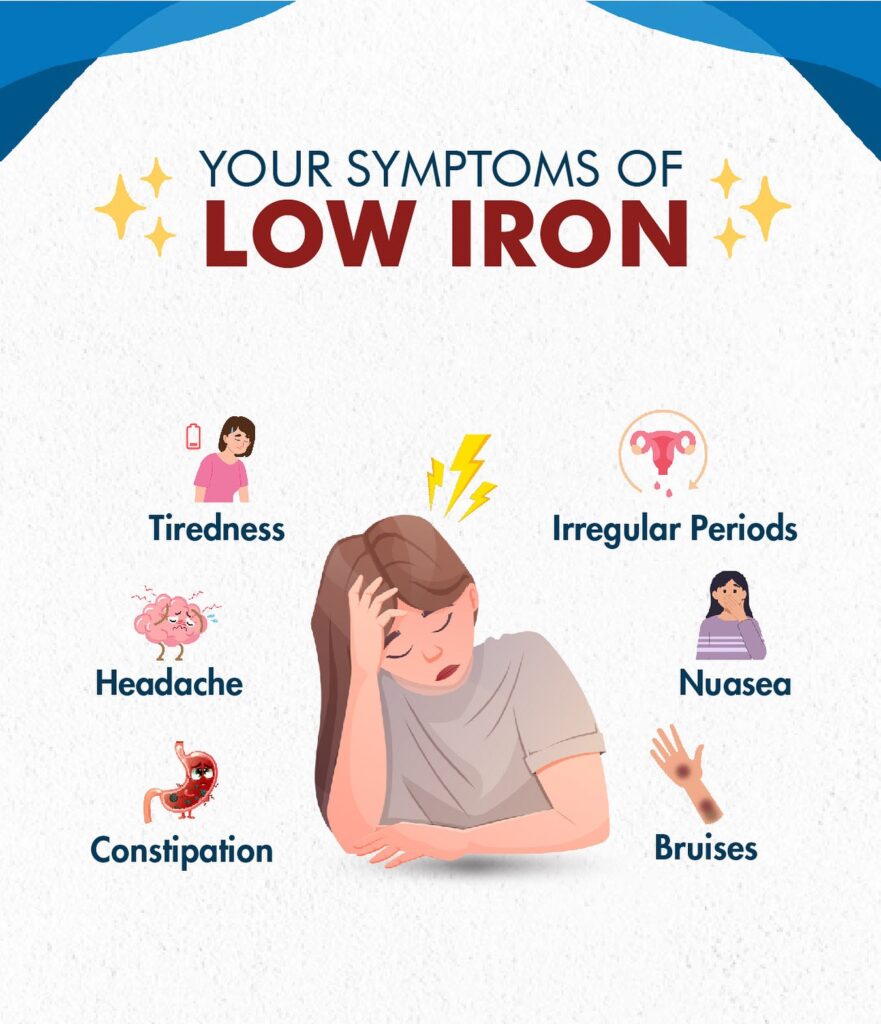
Do not start high-dose iron supplements without medical advice. Taking more iron than your body needs can cause side effects such as constipation, nausea, stomach pain, and, in rare cases, iron overload.
Early diagnosis and timely iron deficiency in women treatment can help improve your symptoms and reduce the risk of complications.
Best Treatment for Iron Deficiency in Women
The best treatment for iron deficiency in women depends on the underlying reason for the deficiency. For many women, treatment includes improving their diet and taking iron supplements as prescribed.
If heavy menstrual bleeding is the cause, treating the menstrual condition is also important. Women with digestive disorders may require additional evaluation to improve iron absorption. Regular follow-up blood tests help monitor your progress and determine whether your iron levels have returned to a healthy range.
How to Increase Iron Levels Quickly in Women?
- Take iron supplements only if prescribed.
- Eat iron-rich foods every day.
- Include vitamin C-rich foods with meals to improve iron absorption.
- Avoid drinking tea or coffee immediately before or after iron-rich meals.
- Follow your treatment plan consistently.
- Attend follow-up appointments to monitor your recovery.
Iron levels usually improve gradually. Consistency is more important than trying quick fixes.
Iron Rich Foods for Women
Animal-Based Sources
- Lean red meat.
- Chicken.
- Turkey.
- Liver.
- Fish.
- Shellfish.
These foods contain heme iron, which is absorbed more efficiently by the body.
Plant-Based Sources
- Spinach.
- Lentils.
- Chickpeas.
- Kidney beans.
- Soybeans.
- Tofu.
- Pumpkin seeds.
- Sesame seeds.
- Quinoa.
Although plant-based iron is less easily absorbed, combining these foods with vitamin C-rich fruits and vegetables can significantly improve absorption.
Foods to Increase Iron Levels Naturally
If you are looking for foods to increase iron levels naturally, try including these combinations in your daily meals.
- Spinach with lemon juice.
- Lentil curry with tomatoes.
- Chickpea salad with bell peppers.
- Tofu stir-fry with broccoli.
- Eggs with fresh fruit.
- Lean meat with vegetables.
Vitamin C helps your body absorb non-heme iron more efficiently.
Good sources of vitamin C include:
- Oranges.
- Guava.
- Kiwi.
- Strawberries.
- Tomatoes.
- Bell peppers.
- Amla.
Small dietary changes can make a meaningful difference over time.
Low Hemoglobin Treatment for Women
Treatment may include:
- Iron supplements if iron deficiency is confirmed.
- Iron-rich foods.
- Vitamin B12 or folate treatment when appropriate.
- Managing heavy menstrual bleeding.
- Treating underlying digestive disorders.
Do not assume that low hemoglobin is always caused by iron deficiency. Proper testing is essential before starting treatment.
How Long Does Iron Deficiency Take to Recover?
Many people ask, How long does iron deficiency take to recover? The answer depends on how severe the deficiency is and whether the underlying cause has been treated. Many women begin to feel more energetic within a few weeks of starting treatment.
However, rebuilding the body’s iron stores usually takes two to three months, and in some cases even longer. Your healthcare provider may recommend continuing iron supplements for several months after your hemoglobin returns to normal to fully restore iron stores. Regular blood tests help ensure that treatment is working as expected.
Tips to Prevent Iron Deficiency
- Eat a balanced diet that includes iron-rich foods.
- Include vitamin C-rich foods with iron-containing meals.
- Do not ignore heavy menstrual bleeding.
- Get regular health checkups if you are at higher risk.
- Take supplements only when recommended.
- Seek medical advice if fatigue or weakness persists.
Following these habits can reduce the risk of needing iron deficiency in women treatment in the future.
Frequently Asked Questions (FAQs)
What are the symptoms of iron deficiency in women?
Which foods increase iron quickly?
How long does iron deficiency take to recover?
Why is iron deficiency common in women?
Can iron deficiency cause fatigue?
Conclusion
Choosing the right iron deficiency in women treatment begins with identifying the cause of low iron levels. Early diagnosis, a balanced diet, appropriate treatment, and regular follow-up can help restore healthy iron levels and improve your overall well-being.
If you notice persistent fatigue, dizziness, heavy menstrual bleeding, or other symptoms of iron deficiency, do not ignore them. A simple blood test can help identify the problem early and guide the most effective treatment plan.
For more information about iron deficiency or to check your iron levels, contact Biocity Healthcare. Their experienced healthcare professionals can provide accurate testing, expert guidance, and a personalized treatment plan to support your health.