


Hormones control a lot more of your body than most people actually know. Your mood, your weight, your sleep, your skin, your periods, your energy levels, all are linked to hormones in one way or the other. So when something blows up it doesn’t just go up in one place. It seems to be everywhere at the same time and many women don’t even know what exactly is happening to them.
Usually it is when somebody begins to look for natural remedies for hormonal imbalance instead of going straight for medication. Which is good actually because a lot of the time your body just needs the basics sorted, better food, proper sleep, some movement, less stress, and it starts fixing itself on its own only. If you’re wondering how to treat hormonal imbalance naturally, this blog will walk you through what actually causes it, the signs to look out for, and things you can realistically do about it without turning your entire routine upside down.
Reasons for Hormonal Imbalance in Women
Honestly there is no one single cause for this, it’s usually a combination of things happening together. Stress is a huge factor and people underestimate it way too much. If you’re stressed for too long, cortisol will also be high for too long and that will screw with just about every other hormone, including the ones that govern your periods and your weight management.
And poor sleep does something similar. In fact, your body controls the majority of its hormones while you’re asleep—not when you’re awake—so if your sleep schedule is all over the place, your hormones will only follow suit. Diet is also very important. Eating too much outside food, too much sugar, skipping meals in the name of weight loss, all of this disturbs insulin and other hormones over time, even if you don’t feel it right away.
Then there’s PCOS, thyroid problems, being underweight or overweight, changing birth control, or just being in a life stage like perimenopause or the months after delivery. And sometimes it’s two or three of these things happening at the same time. And that’s why the symptoms seem so random and hard to explain to anyone, even sometimes to the doctor.
Hormonal Imbalance Symptoms in Women
Some of the common symptoms of hormonal imbalance are: Irregular periods Sudden weight gain or weight that just won’t reduce Constant tiredness even after a full night’s sleep Acne popping out of nowhere Hair thinning or excess hair growth Mood swings Low interest in intimacy Disturbed sleep.
Many women ignore these for way too long before actually linking them to hormones, dismissing them as “just a phase”. If two or three of these are happening together and not going away on its own, it is worth getting it checked properly instead of waiting it out for more months.
How can I balance hormones naturally?
This is probably the most asked question in this subject. There is no single magic answer as such. It is a collection of small habits consistently done that actually do hormonal imbalance treatment naturally.
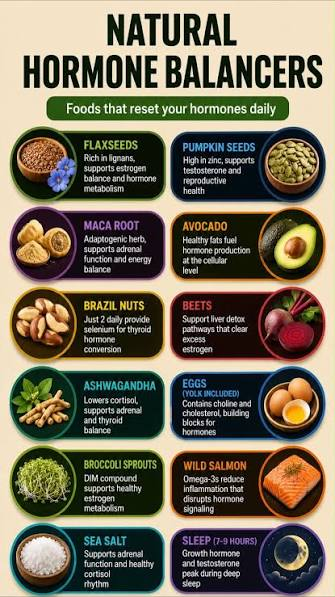
Sleep is your top priority. Your hormones are pretty much reset overnight, so broken or short sleep throws everything off no matter what else you’re doing right. Aim for 7 to 8 hours, and try to keep the timing approximately the same each night.
Figure out how to manage your stress, whatever that means for you, like walking, journaling, or just sitting and breathing for ten minutes without your phone. It doesn’t have to be fancy, it just has to actually happen regularly.
Eat on time and don’t skip meals thinking that it will help you lose weight, it backfires usually and upsets cortisol and insulin rather than helping anything.
Cut back on sugar and highly processed food . Not eliminated . Enough so your body stops reacting to blood sugar spikes all through the day. And move every day, even if it’s just a walk around the colony. Many women notice a very noticeable difference in just a few weeks with this one habit alone.
Natural Hormone Balance Diet
Food is really one of the easiest things to fix here and a hormone balanced diet doesn’t need to be complicated or expensive at all.
Leafy greens, flaxseeds, eggs, avocado, nuts such as almonds and walnuts, fatty fish like salmon and fermented foods such as curd are some good foods to balance hormones naturally. Many Indian households also commonly recommend methi seeds and turmeric milk for supporting hormone health along with moderate quantity of desi ghee. They help with hormone production, gut health and reducing inflammation. It’s more about hormone balance than people think.
On the other hand, reducing refined sugar, fried food and too much chai or coffee also helps a lot. It’s not extreme, it’s eating in a way that is in line with your body, not against it.
Also, don’t eliminate fat from your diet. Many women avoid fat thinking that it is the enemy of weight gain. The truth is hormones are made from fat and cutting it out completely can make the imbalance worse instead of better.
Can Working Out Balance Hormones?
Yes, exercise helps balance hormones, but the type of exercise matters more than people think. In fact, if you’re already in a stress-induced imbalance, working out hard every day without rest can actually raise cortisol and make things worse.
The best is a mix, some strength training, some walking or light cardio and proper rest days in between. This doesn’t need to be an intense gym routine, 20 to 30 minutes most days makes a noticeable difference over time.
Exercise helps with insulin sensitivity, better sleep, and lower stress, all three of which come back around to better hormone balance, either way.
Lifestyle Changes For Hormone Balancing
Other lifestyle changes for hormonal balance worth mentioning here include food and exercise.
Other hormones depend on melatonin to do its job properly . Cutting down on screen time before bed helps melatonin to do that . People underestimate the benefit of reducing or eliminating chai or coffee after early afternoon for sleep quality. Drinking enough water all through the day also helps with overall hormone function which is something completely missed most of the time.
Also try and keep a somewhat fixed routine, hormones like predictability honestly, waking up and eating at completely random timings every day does not let the body settle into any rhythm.
Natural Hormone Remedies and Treatment
When people ask you about natural hormone therapy, they usually want something more than food and lifestyle changes. There are a couple of options worth knowing about. Natural ways to balance hormones often include herbal remedies such as ashwagandha, shatavari and flaxseed but as always it’s best to check with your doctor before you start any of these, especially if there is already some existing health condition.
Some women also use yoga to treat hormonal imbalances, especially with asanas that target the abdominal and pelvic region, and regular meditation to lower cortisol levels over time.
These natural remedies for hormonal imbalance in women don’t work overnight, ever. More or less the case with anything to do with hormones, it usually takes a few weeks, sometimes even a couple of months of consistent sticking to it before any real change is noticeable.
Hormonal Imbalance Remedies at Home
Most of the hormone imbalance treatment at home options are actually just the basics, done consistently, sleep, food, movement, and stress management, nothing expensive or complicated needed here.
Simple home habits to help include drinking warm water first thing in the morning and adding flax or sesame seeds to meals. Also cutting back on packaged snacks, waking and sleeping at roughly the same time each day. You can even carve out ten minutes for some kind of stress relief, whether it’s stretching, breathing or just sitting quietly.
That said, if the symptoms are severe such as very heavy periods or periods stopping completely, extreme fatigue or sudden major weight changes, home remedies alone will probably not be enough and it is better to get it checked out by a doctor rather than pushing through it alone for months together.
Women’s Hormone Health The Bigger Picture
Women’s hormone health is not a one-time fix; it changes across different life stages. Puberty, pregnancy, the postpartum period, and menopause all bring their own set of changes. What worked at 25, won’t work the same at 35 or 45 and that is totally normal, not a sign that something is wrong with you.
The point is not to chase perfect hormone levels all the time, that is not realistic for anyone as such. It’s more about noticing the patterns as they show up, catching an imbalance early and making small consistent changes rather than waiting for things to get bad enough that you cannot ignore it anymore.
Conclusion
Today one in four women are diagnosed with hormonal imbalance and it is happening for many reasons. But it is not so complicated to be cured. Sleep, food, movement and stress management covers most of it and consistency matters way more than getting everything perfect.
With mild symptoms, the natural treatment for hormonal imbalance through diet and lifestyle changes normally shows real improvement in a few weeks itself. But if it looks serious or nothing works despite trying please get it properly checked instead of guessing forever at home.
Frequently Asked Questions
Consistent sleep, proper diet, regular movement and managing stress can help balance your hormones. Generally, small everyday habits are better than any one quick fix.
Eat leafy greens, flaxseeds, eggs, nuts, fatty fish and fermented foods like curd to help hormone balance. And cutting down sugar and processed foods is important, too.
Yes but moderate and consistent exercise is better than going hard all day every day which can actually raise stress hormones rather than help.
Some of the most common causes are stress, poor sleep, poor diet, PCOS, thyroid issues and natural life stages such as perimenopause or post-partum.
Yes. Every collection follows sterile-equipment protocols and standard safety practices, identical to what you’d see in a clinical lab setting.