
Vitamin D Deficiency Treatment at Home: Simple Tips to Improve Your Vitamin D Levels
Vitamin D is often called the sunshine vitamin, but many people do not get enough of it. Modern lifestyles, long hours indoors, pollution, sunscreen use, and limited outdoor activities have made vitamin D deficiency more common than ever. A lack of vitamin D can affect much more than your bones. It can lead to muscle weakness, fatigue, frequent illnesses, and a lower quality of life. The good news is that many mild cases can improve with simple lifestyle and dietary changes.
If you are looking for vitamin D deficiency treatment at home, there are several natural ways to support healthy vitamin D levels. These methods work best when combined with regular health checkups and medical advice if your deficiency is severe.
And, you will learn about the symptoms of vitamin D deficiency, why it matters, and ten natural ways to increase your vitamin D levels safely at home.
What is Vitamin D Deficiency?
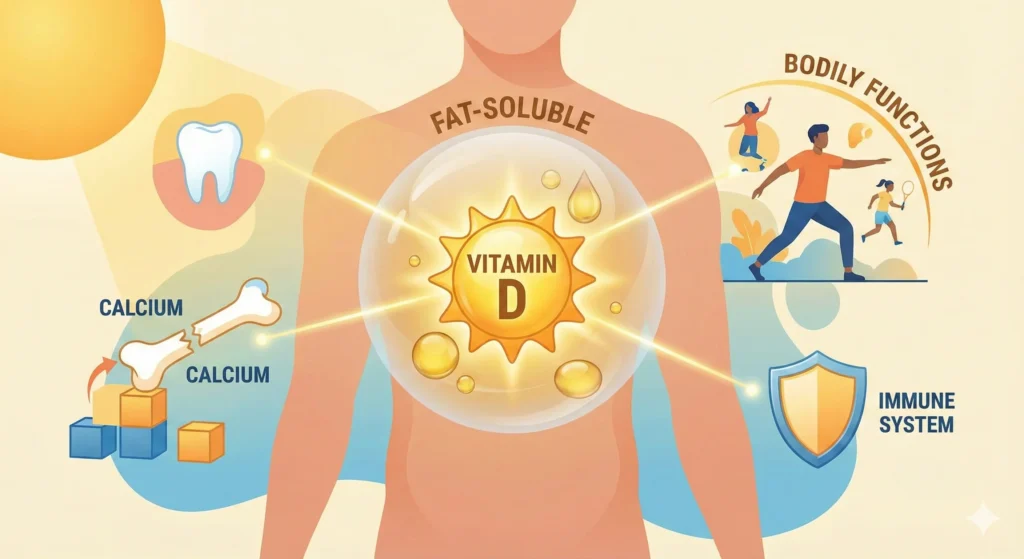
Vitamin D deficiency occurs when your body does not have enough vitamin D to perform its essential functions. Vitamin D helps your body absorb calcium and phosphorus, which are important for strong bones and teeth.
It also supports healthy muscles, immune function, and normal cell growth. Research continues to explore its role in many other areas of health.
Vitamin D is produced when your skin is exposed to sunlight. It is also available in a limited number of foods and dietary supplements. Many people develop low vitamin D levels because they:
- Spend most of their time indoors.
- Wear clothing that covers most of their skin.
- Regularly use high-SPF sunscreen.
- Have darker skin, which naturally produces vitamin D more slowly.
- Are older adults.
- Eat very few foods containing vitamin D.
- Have digestive disorders that reduce nutrient absorption.
A simple blood test can measure your vitamin D level and help your healthcare provider determine whether treatment is needed.
What is Vitamin D Deficiency?
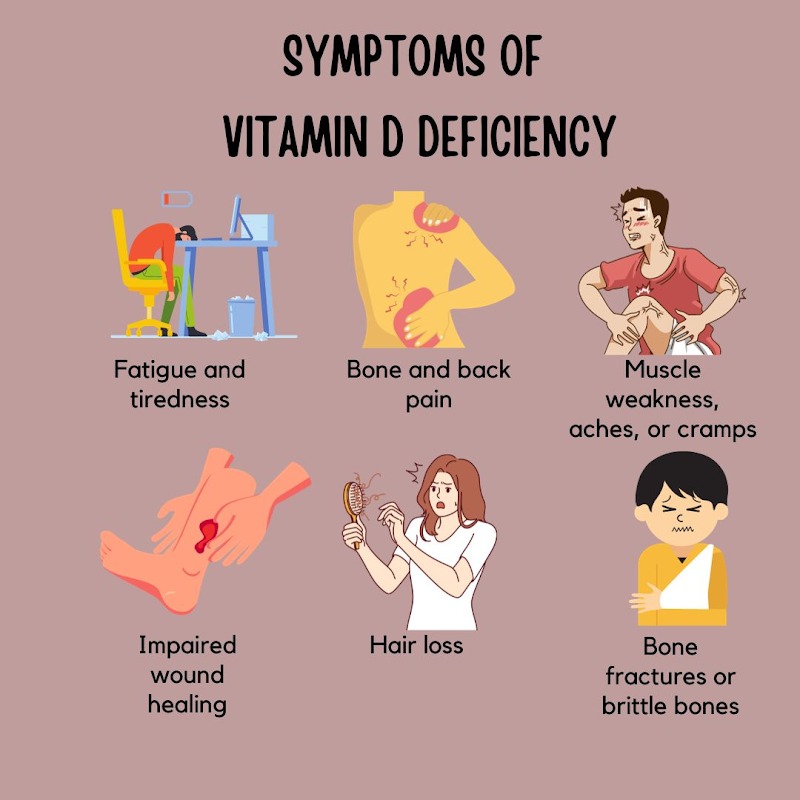
Vitamin D deficiency often develops slowly. Some people may not notice symptoms for months or even years. Common vitamin D deficiency symptoms and treatment discussions usually include these signs:
- Constant tiredness
- Bone pain
- Muscle weakness
- Frequent infections
- Lower back pain
- Mood changes
- Slow wound healing
- Hair thinning in some individuals
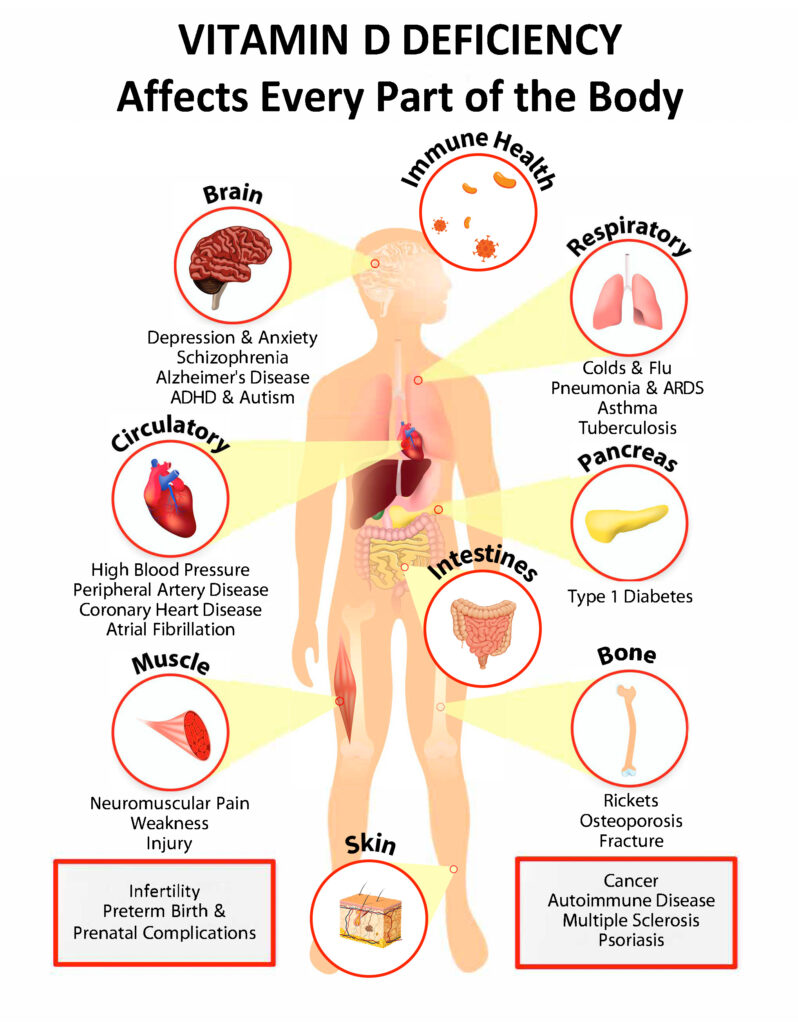
Children with severe vitamin D deficiency may develop problems with bone growth, while adults are more likely to experience weaker bones and a higher risk of fractures. These symptoms can also be linked to other medical conditions. That is why proper diagnosis is important before starting any treatment.
Why is Vitamin D Important?
Vitamin D supports several essential functions throughout the body.
Some of its key benefits include:
- Helps absorb calcium for stronger bones.
- Supports healthy teeth.
- Maintains muscle strength.
- Supports normal immune function.
- Helps reduce the risk of bone disorders caused by deficiency.
- Supports healthy ageing.
Without enough vitamin D, your body cannot absorb calcium efficiently. Over time, this can weaken bones and increase the risk of conditions such as osteomalacia in adults and rickets in children.
10 Natural Ways to Increase Vitamin D Levels at Home
Many people can improve mild vitamin D deficiency with consistent lifestyle changes. Here are some of the most effective natural ways to increase vitamin D.
1. Get Safe Sunlight Exposure
Sunlight is the most natural source of vitamin D. When ultraviolet B (UVB) rays reach your skin, your body starts producing vitamin D naturally.
For many people, exposing the face, arms, or legs to sunlight for about 10 to 30 minutes several times a week may help maintain healthy levels. The exact time depends on factors such as your skin tone, location, season, weather, and time of day.
Avoid staying in the sun long enough to develop sunburn, as excessive UV exposure increases the risk of skin damage.
2. Eat More Vitamin D Foods
Your diet can make an important contribution, especially if you have limited sun exposure. Some of the best foods for vitamin D deficiency include:
- Fatty fish such as salmon, sardines, mackerel, and tuna
- Egg yolks
- Beef liver
- Fortified milk
- Fortified yogurt
- Fortified breakfast cereals
- Fortified plant-based milk
- Mushrooms exposed to ultraviolet light
Including these vitamin D foods regularly can help improve your overall intake.
3. Include Healthy Fats in Your Meals
Vitamin D is a fat-soluble vitamin. This means your body absorbs it better when it is consumed with healthy fats. Try pairing vitamin D-rich foods with healthy fat sources such as:
- Avocados
- Nuts
- Seeds
- Olive oil
- Fatty fish
This simple habit may improve how efficiently your body uses the vitamin D from your diet.
4. Spend More Time Outdoors
You do not always need to exercise intensely to support vitamin D production. Simple outdoor activities can help, including:
- Walking
- Gardening
- Cycling
- Light stretching
- Playing with children in the park
Making outdoor time part of your daily routine increases your chances of regular sunlight exposure while also supporting your overall physical and mental health.
5. Maintain a Balanced Diet
- Calcium
- Magnesium
- Phosphorus
- Vitamin K
A balanced diet with fruits, vegetables, whole grains, lean proteins, dairy products, and healthy fats supports overall nutrition and may help your body use vitamin D more effectively.
6. Maintain a Healthy Body Weight
Maintaining a healthy weight can support your overall health, including your vitamin D status. Research suggests that people with obesity are more likely to have low vitamin D levels. One reason is that vitamin D can become stored in body fat, making less of it available for the body’s normal functions.
7. Improve Your Gut Health
Your digestive system plays an important role in absorbing nutrients, including vitamin D. If you have conditions such as celiac disease, Crohn’s disease, or inflammatory bowel disease, your body may not absorb vitamin D effectively. Some medications can also interfere with absorption. To support gut health:
- Eat plenty of fibre-rich foods.
- Include fermented foods like yoghurt and kefir if they suit your diet.
- Stay well hydrated.
- Limit highly processed foods and excess sugar.
If you have ongoing digestive symptoms, speak with your healthcare provider. You may need further evaluation rather than relying only on home remedies.
8. Consider Vitamin D Supplements if Recommended
Some people cannot reach healthy vitamin D levels through sunlight and food alone. In these cases, a healthcare provider may recommend vitamin D supplements after reviewing your blood test results.
The right dosage depends on several factors, including your age, current vitamin D level, medical history, and overall health. Avoid taking high-dose vitamin D supplements without medical advice. Too much vitamin D can lead to excess calcium in the blood, which may cause nausea, kidney stones, confusion, or heart rhythm problems.
9. Stay Consistent With Healthy Habits
There is no overnight solution for improving vitamin D levels.
Small, consistent habits often produce the best results. Try to:
- Spend time outdoors most days.
- Include vitamin D-rich foods in your weekly meal plan.
- Exercise regularly.
- Get enough sleep.
- Follow your healthcare provider’s advice if supplements are prescribed.
These habits support not only healthy vitamin D levels but also your overall well-being.
10. Monitor Your Vitamin D Levels
One of the most important parts of low vitamin D treatment is knowing whether your efforts are working. If you have been diagnosed with vitamin D deficiency, your healthcare provider may recommend repeat blood tests after a few months.
Regular monitoring helps determine whether your vitamin D levels have improved or whether your treatment plan needs adjustment. Do not rely only on symptoms. Some people feel better before their vitamin D levels have fully recovered.
How Long Does It Take to Recover From Vitamin D Deficiency?
The answer depends on several factors, including:
- How low is your vitamin D level?
- Your age.
- Your diet.
- Your sun exposure.
- Whether you take supplements.
- Any underlying medical conditions.
People with mild deficiency may notice improvements within a few weeks after making lifestyle changes.
However, restoring healthy vitamin D levels often takes two to six months. Severe deficiency may take longer and usually requires medical supervision and prescription-strength supplements. It is important to continue healthy habits even after your levels return to normal.
Can Vitamin D Deficiency Be Treated at Home?
Many people wonder, Can vitamin D deficiency be treated at home?
The answer is yes, but only in certain situations.
Mild vitamin D deficiency can often improve through:
- Regular sunlight exposure.
- Eating more vitamin D-rich foods.
- Maintaining a balanced diet.
- Following healthy lifestyle habits.
- Taking supplements if advised by a healthcare provider.
However, home treatment may not be enough for everyone. You should seek medical advice if you:
- Have a severe deficiency.
- Experience ongoing bone pain or muscle weakness.
- Have repeated fractures.
- Have digestive disorders that affect nutrient absorption.
- Have kidney or liver disease.
- Are you pregnant or breastfeeding and suspect deficiency?
A healthcare provider can recommend the most appropriate treatment based on your blood test results.
Home Remedies for Low Vitamin D Levels
If you are looking for home remedies for low vitamin D levels, focus on habits that are supported by scientific evidence. Some of the most effective remedies include:
- Spend safe time in sunlight several days each week.
- Eat fatty fish at least once or twice a week.
- Choose fortified dairy or plant-based products.
- Include egg yolks and UV-exposed mushrooms in your meals.
- Stay physically active.
- Maintain a healthy body weight.
- Follow your doctor’s advice regarding supplements when needed.
These habits can help support healthy vitamin D levels over time.